Understanding Turmeric: Curcumin and Beyond
Introduction to Turmeric
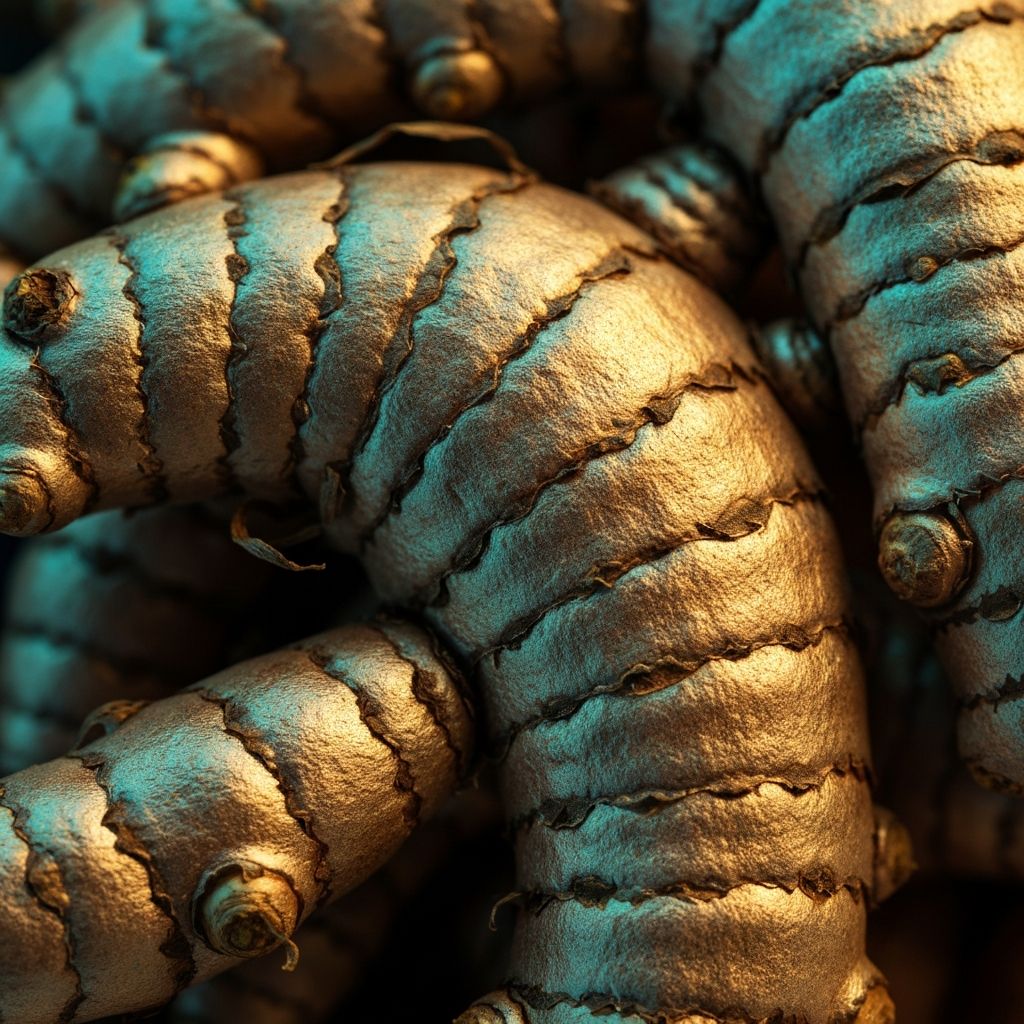
Turmeric, scientifically known as Curcuma longa, is a flowering plant in the ginger family native to South Asia. The plant's rhizome (underground stem) has been used for centuries in culinary and traditional medicine practices, particularly in Indian and Southeast Asian cultures. The distinctive golden color comes from compounds called curcuminoids, with curcumin being the most prominent.
Botanical and Chemical Profile
Turmeric contains numerous bioactive compounds beyond curcumin, including:
- Curcumin: The primary active compound, representing approximately 2-8% of turmeric by weight
- Demethoxycurcumin and Bisdemethoxycurcumin: Other curcuminoid variants with similar structures
- Volatile oils: Including turmerone, atlantone, and zingiberene
- Polysaccharides: Complex carbohydrates contributing to turmeric's properties
- Minerals and trace elements: Including iron, manganese, and potassium
Traditional Uses Across Cultures
In Ayurvedic medicine, turmeric is considered warming and is traditionally used to support various aspects of health. Traditional Chinese Medicine similarly incorporates turmeric in formulations. The herb has been valued not only as a medicinal preparation but also as a culinary spice, where it has been integrated into daily diet for thousands of years.
Mechanisms of Bioactivity
Contemporary research has focused on understanding how curcumin and related compounds function at the cellular level. Scientists have identified several potential mechanisms:
- Modulation of cellular signaling pathways: Curcumin appears to interact with various proteins involved in cellular communication
- Antioxidant activity: The compound demonstrates properties that may neutralize reactive oxygen species
- Interaction with enzymes: Research suggests curcumin may influence enzymatic activity in various tissues
Scientific Research Overview
Numerous peer-reviewed studies have examined turmeric and curcumin over the past two decades. Research has focused on understanding bioavailability (how much of the compound is actually absorbed and utilized by the body), optimal dosing strategies, and potential applications in various health contexts. Important research findings include investigations into how black pepper (containing piperine) may enhance curcumin absorption.
However, it is important to note that while research is promising in certain directions, individual responses to turmeric vary significantly based on genetics, health status, diet, and concurrent medications.
Practical Information
Turmeric is available in various forms including fresh rhizome, dried powder, extracts, and supplements. Traditional preparations often involve preparation as a paste (such as in golden milk), incorporation into foods, or preparation as a decoction. The golden color has made turmeric a valued culinary ingredient across numerous cuisines.
Important Context
This article presents educational information about turmeric and curcumin. This is not medical advice. Individual responses to botanical compounds vary significantly. If you are considering turmeric preparation as part of your wellness practices, consult with a healthcare provider regarding your specific circumstances, potential interactions with medications, and appropriate use.
Not a medicinal product. Consult a doctor before use.